FAIRCORE4EOSC contributions to EUDAT services
EUDAT Conference 2024
3-5 December 2024 | Karlsruhe, Germany

3-5 December 2024 | Karlsruhe, Germany
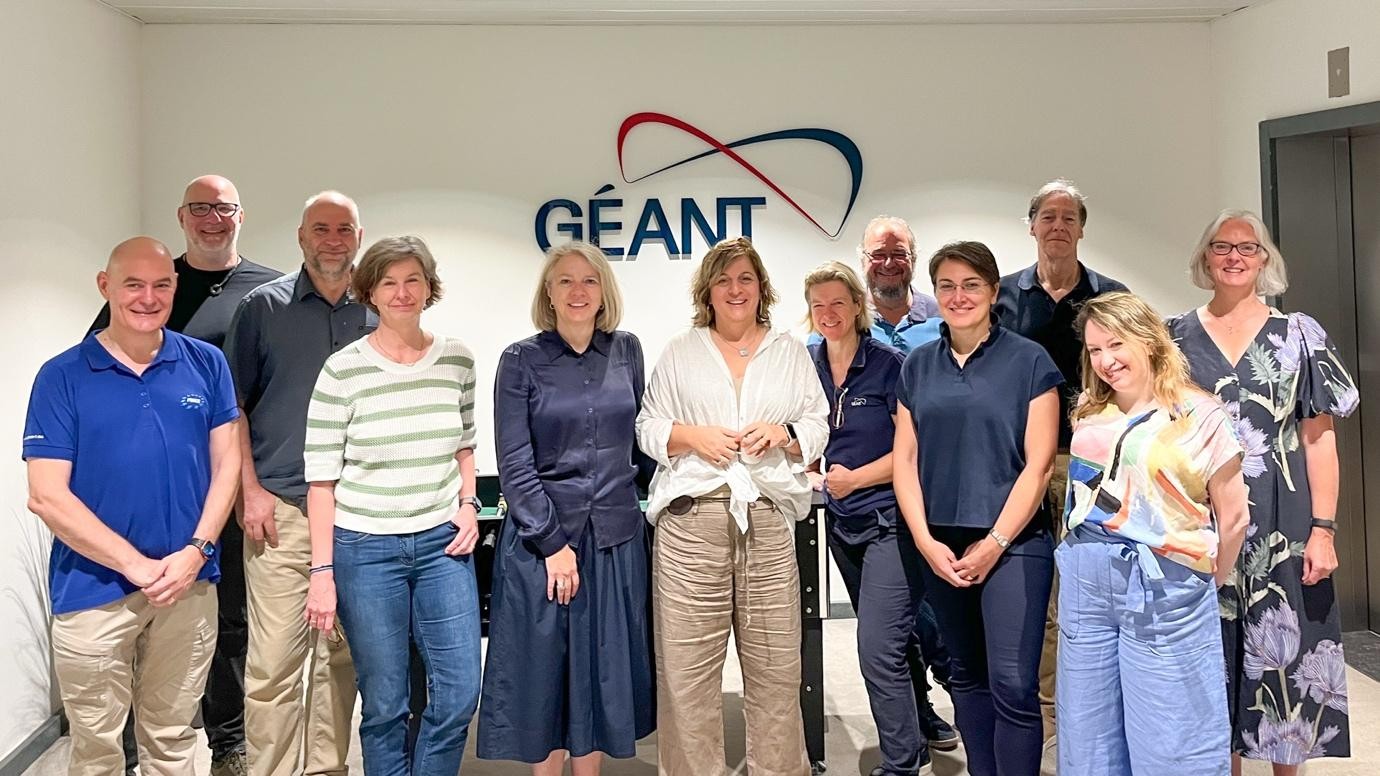
In July 2025, directors and senior representatives of leading European e-Infrastructures EGI, EUDAT, GÉANT, OpenAIRE, and PRACE gathered in Amsterdam for a high-level meeting of the European e-Infrast…
4 August 2025
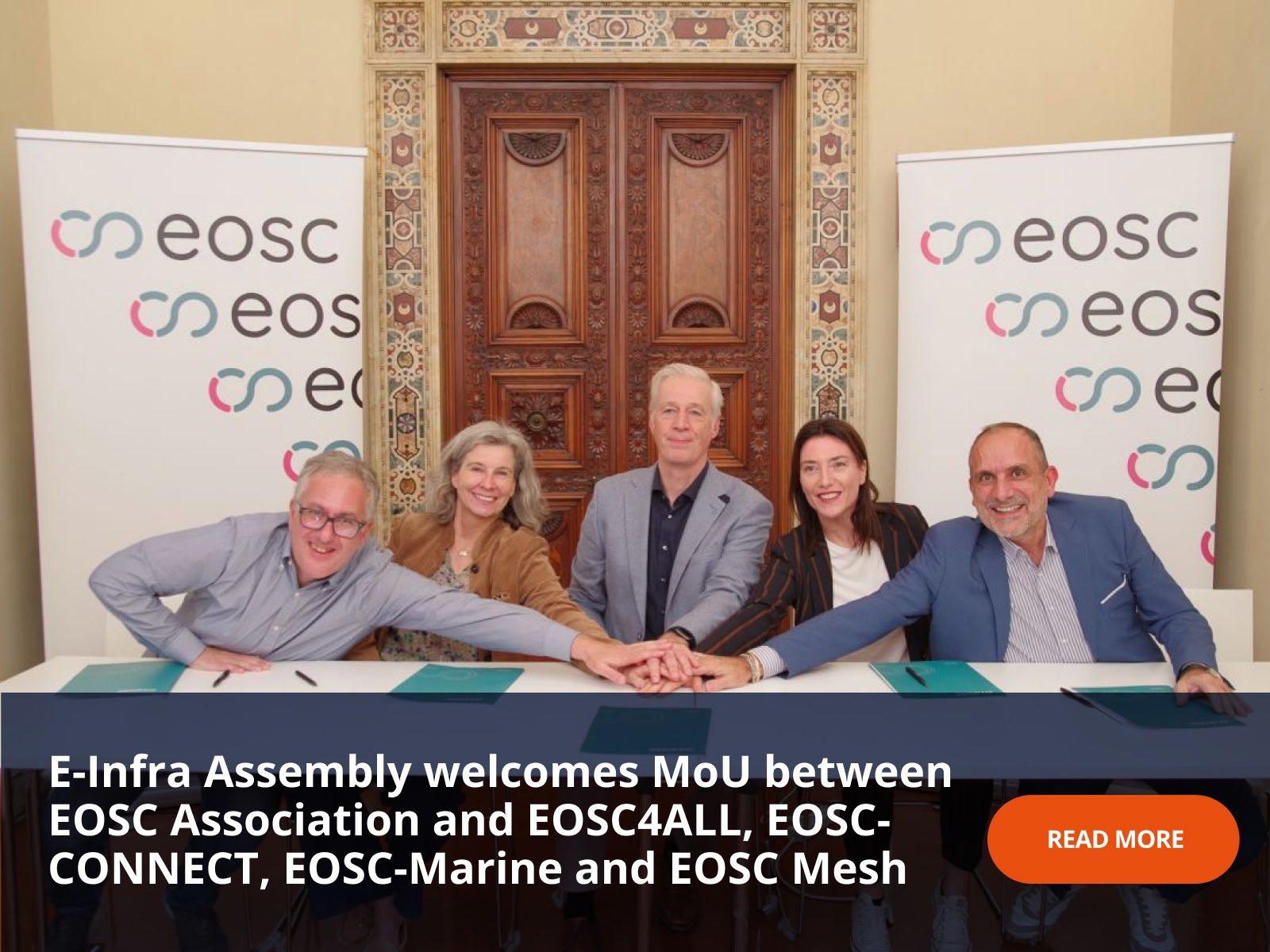
During the EOSC Symposium 2026, a Memorandum of Understanding was signed between EOSC Association and EOSC4ALL, EOSC-CONNECT, EOSC-Marine and EOSC Mesh.
20 October 2026
Presentation by Matthew Dovey, JISC during the "From vision to implementation" panel session at the European Open Science Cloud for Research (EOSC) Workshop, 5th Feb 2016, Rome, Italy.
 This presentation gives an overview of the usage of the e-CF in a large company.
This document presents the Service Portfolio Management (SPM) and Service Level Management (SLM) processes required to define and manage the service portfolio and service catalog for the EUDAT Collaborative Data Infrastructure (CDI) and institutionalize the use of Service Level Agreements (SLAs) and Operational Level Agreements (OLAs) across the CDI. The document also provides some useful templates to kick-start the service management approach.